


Senegal, a country known for its warmth, hospitality, and diversity, offers far more than sunny beaches and cultural heritage. It is also a land of untamed wilderness and exceptional nature reserves, perfect for full immersion in the flora and fauna of West Africa. Through its national parks and preserved ecosystems, Senegal offers an authentic safari, far from mass tourism, with rich and often surprising experiences.
Whether you’re passionate about animals, birds, open landscapes, or ecotourism, a safari in Senegal will give you powerful and unique memories. Here is an overview of the must-see parks and reserves, along with tips for planning your adventure.
Why Go on Safari in Senegal?
Going on safari in Senegal means first choosing an extraordinary natural circuit in a country that is accessible, stable, and welcoming. Contrary to popular belief, West Africa also has its own vast wilderness, lions, giraffes, rare birds, and protected areas where wildlife lives in peace.
Senegal’s great strength lies in its ecological diversity: wooded savannas in the east, wetlands in the north, mangroves in the center, and wild coastline in the west. This variety allows visitors to observe very different species depending on the region, while discovering breathtaking landscapes.
Moreover, the country’s rich culture — shaped by Fulani, Serer, and Mandinka traditions — makes every step of the journey warm, human, and often unforgettable. The safari becomes more than a wildlife expedition: it’s a meeting with a living country, in all its depth.
Niokolo-Koba National Park: The Wild Giant
Niokolo-Koba is without question the largest and most iconic of Senegal’s parks. Located in the Tambacounda region, in the far southeast, it covers more than 9,000 km² and is recognized as a UNESCO Biosphere Reserve. This is the beating heart of wild Senegal.
The park is home to more than 80 mammal species: buffalo, antelope, warthogs, hyenas, baboons, hippopotamuses, crocodiles, and a few rare specimens of West African lion. Bird lovers will also find plenty to enjoy, with more than 330 bird species, such as hornbills, eagles, herons, and pelicans.
Visiting Niokolo-Koba requires at least two or three days, given its size and remoteness. Safaris are conducted by 4×4 with a local guide, usually in the morning or late afternoon. Visitors can stay at eco-friendly camps such as Simenti, located on the banks of the Gambia River.
This park is ideal for lovers of raw nature who want to experience a deep, authentic safari, far from it all.
Bandia Reserve: An Introduction to Safari Close to Dakar
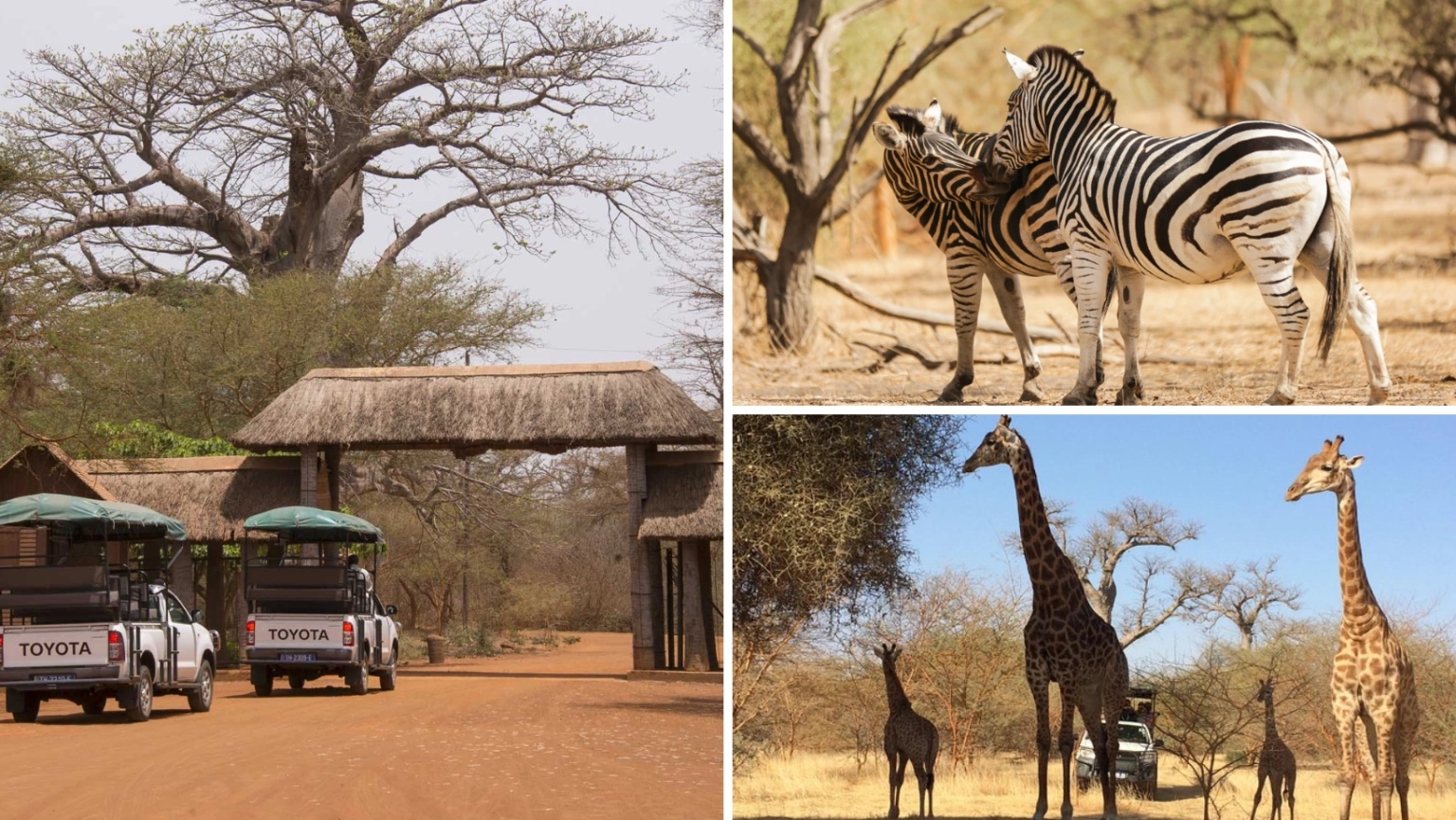
Bandia Reserve is an excellent alternative for those who want to experience a safari without traveling far from the capital. Located between Dakar and Saly, about 65 km away, this private reserve spans more than 3,000 hectares of protected savanna.
Here you can observe giraffes, zebras, buffalo, antelope, monkeys, crocodiles, and even white rhinoceros, in a secure and well-maintained setting. Some species have been reintroduced but now live semi-freely in their natural environment.
The site is accessible by 4×4 with a guide, or by personal vehicle accompanied by a ranger. The average visit lasts about two hours. On site, a panoramic restaurant lets you have lunch while watching animals gather around a watering hole.
Bandia is especially well suited for families, short stays, or visitors passing through, and makes an excellent first introduction to an African safari.
Djoudj National Bird Park: Sanctuary of the Migratory Birds
Listed as a UNESCO World Heritage Site, Djoudj National Park is located in the north of the country, about 60 km from Saint-Louis, in the delta of the Senegal River. This park is a bird paradise and one of the most important ornithological sanctuaries in the world.
Every year, between November and April, more than 3 million migratory birds stop here: white pelicans, pink flamingos, herons, cormorants, ibises, spoonbills — all set against an impressive backdrop of marshes, lagoons, and channels.
Visits take place by motorized canoe, in small groups, to quietly approach the bird colonies. It’s a sensory, photographic, and naturalist experience not to be missed, especially for those interested in birdwatching.
Djoudj is also an educational destination, ideal for learning about the fragile balance between water, wildlife, and climate, while enjoying the beauty of northern Senegal’s landscapes.
Popenguine Reserve: Eco-Hiking and Community Tourism
The Popenguine Nature Reserve, on the Petite Côte, is a small marvel of community management. Located about 70 km from Dakar, it has been run since the 1980s by local women’s groups committed to environmental protection.
This coastal reserve offers varied landscapes: steep cliffs, savanna dotted with baobabs, dry forest, and lagoons. It’s a prime spot for hiking, botanical discovery, and birdwatching.
Wildlife here is more discreet, but you may spot patas monkeys, mongooses, warthogs, and numerous reptiles. Marked trails allow you to explore the reserve independently or with a local guide. It’s also a great opportunity for cultural exchange with the women of the region.
Popenguine is ideal for a day of relaxation in nature, or for combining a light safari with a swim at the nearby beach.
Saloum Delta Park: Between Waterways, Islands, and Serer Traditions
Located between the Fatick and Kaolack regions, Saloum Delta National Park is a mosaic of unique landscapes. Classified as a UNESCO biosphere reserve, this park is made up of mangroves, bolongs (tidal channels), islands, and swamp forests.
Here, safaris take place by canoe, gliding over calm waters among the roots of mangrove trees. Visitors can observe a very distinctive wildlife: manatees, dolphins, monkeys, monitor lizards, seabirds, pelicans, terns, storks, and occasionally dwarf crocodiles.
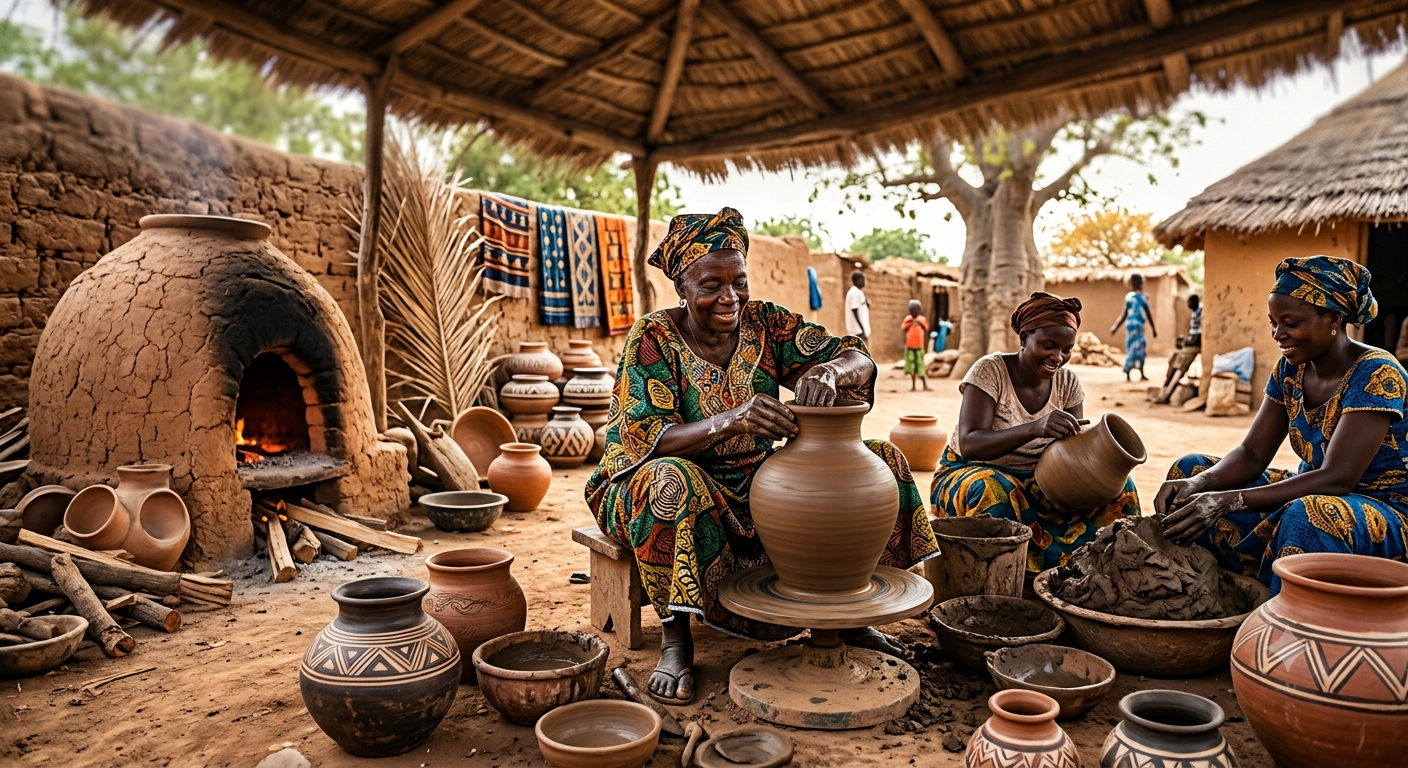
This park is also discovered through its people: the Serer villages around the delta welcome visitors at eco-responsible camps, with the chance to discover animist rites, local crafts, and traditional cuisine.
The Saloum Delta is the perfect place for those who want to combine safari, ecotourism, and cultural discovery, in a peaceful and well-preserved setting.
Practical Tips for a Successful Safari in Senegal
To make the most of your Senegalese safari, here are a few tips:
- Choose the right season: the best time for wildlife viewing is between November and May, during the dry season.
- Favor early mornings and late afternoons: animals are more active when it’s cooler.
- Dress discreetly: wear neutral-colored clothing, a hat, comfortable shoes, and bring a water bottle.
- Bring binoculars and a camera: especially if you’re visiting Djoudj or Saloum.
- Respect nature: stay on marked trails, don’t feed the animals, and leave no trash behind.
Conclusion: Experience the Natural Adventure of a Senegal Safari with SENEGAL SHUTTLE
Exploring Senegal’s parks and reserves means discovering exceptional wildlife in places that are often still little-known, and always full of humanity. From the lions of Niokolo-Koba to the pelicans of Djoudj, from the giraffes of Bandia to the mangroves of Saloum, each site has its own charm, rhythm, and mystery.
But to fully enjoy this experience with peace of mind, having reliable, punctual, and comfortable transportation is essential.
SENEGAL SHUTTLE is your ideal partner for all your trips to national parks, nature reserves, and ecotourism destinations. Professional drivers, comfortable vehicles, personalized itineraries, and a service designed for nature lovers like you.
👉 Ready for adventure? Book your safari with SENEGAL SHUTTLE
Private safari, secure transport, an unforgettable experience.

Leave a Comment